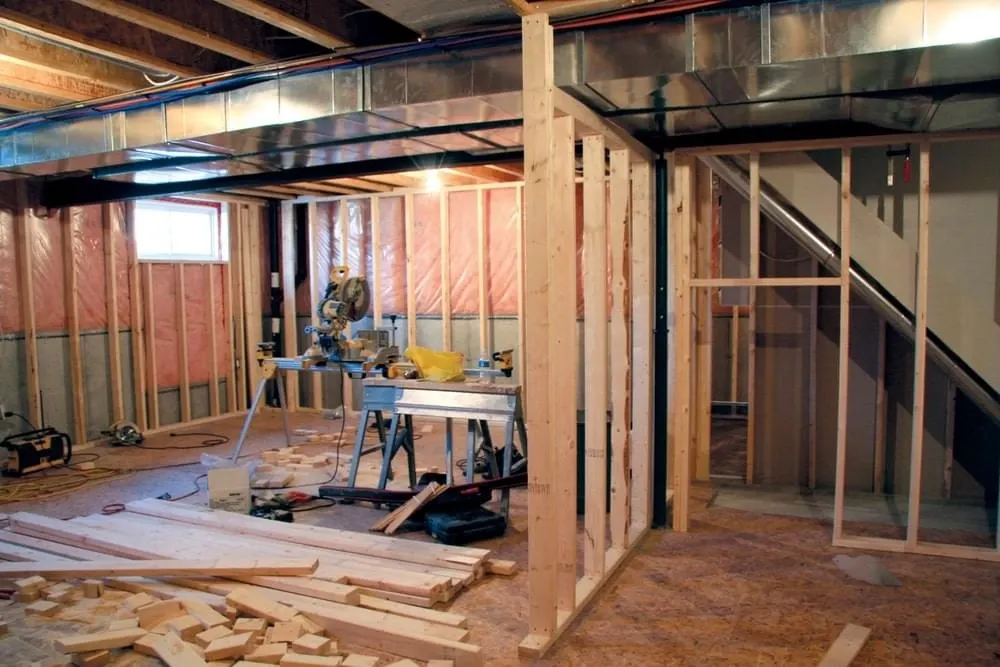
Stop These Basement Framing Mistakes in Toronto Now
You might hire basement framing contractors in Toronto thinking it’s simple. But if you don’t know the right information, can’t screen the pros, and blindly trust quotes, you’re walking into trouble. It’s like dreaming of being a bodybuilder while struggling to even walk or sit on your own.
Structure is everything. A strong frame gives you the foundation to build a durable basement. A weak frame? Well… you already know the nightmare waiting at the end. In Toronto, with older homes, shifting soil, and winter humidity, a sloppy frame isn’t just a mistake — it’s a ticking time bomb.
Let’s stop these basement framing mistakes before they cost you time, money, and sleepless nights.
Why Structural Knowledge Matters Even When Hiring a Contractor
Basement framing is basically the skeleton of your renovation. Without it, nothing stands straight, nothing lasts, and nothing feels secure. You may assume “framing” is a commodity skill — something anyone can do. Wrong.
Toronto basements are unique. Moisture, frost, and older foundations make every cut, stud, and plate a decision that impacts safety, longevity, and inspection approval. Cheap shortcuts or blind trust don’t build a basement — they create a disaster waiting to happen.
Even if you hire the best contractor, understanding the basics protects you from mistakes and surprises. If you don’t know what questions to ask or what to expect, you’re like trying to lift heavy weights with weak bones. The results are painful and costly.
1. Hiring Contractors Without Screening Their Structural IQ
The first big error is assuming all framing contractors are equal. They’re not. Some Toronto contractors know their way around code, moisture management, and structural design. Others… well, they rely on luck.
Red flags to watch for:
– Vague descriptions of what they will do.
– No plan for moisture barriers or insulation.
– No explanation of load-bearing walls or structural support.
If they can’t answer these questions confidently, your basement is walking on a tightrope without a net. In Toronto, that tightrope can snap.
2. Ignoring Moisture, Mold, and Insulation Requirements
Toronto basements are notorious for dampness. Moisture left unchecked will warp studs, create mold, and ruin insulation. Framing without a proper vapor barrier, moisture assessment, and insulation plan is like building a sandcastle in a rainstorm — it won’t last.
Your walls aren’t just partitions. They’re protectors against humidity, mold, and frost damage. Skipping these steps might save you $100 today, but the cost of repairs later? Thousands.
3. Using Cheap or Incorrect Materials
Cheap wood, flimsy metal studs, or unsealed framing materials might seem like a bargain. Until the walls bow, nails pull free, or moisture eats away your investment.
A proper basement frame in Toronto uses quality materials. Pressure-treated bottom plates, 2×4 studs properly spaced, and vapor barriers installed correctly. Anything less is a gamble with your home’s foundation.
4. Skipping Permits and Not Understanding Toronto Building Code
Many homeowners underestimate Toronto’s strict building codes. Failing to get a permit or ignoring legal requirements can stop your project mid-way, attract fines, or even force demolition.
Professional framers know the rules:
– When a permit is required
– How to schedule inspections
– What load-bearing rules apply
– Egress window and ceiling height standards
Without that knowledge, your “dream basement” might become a legal headache.
5. No Clear Framing Layout or Structural Plan
Some contractors prefer to “figure it out onsite.” That’s a disaster. Without a detailed plan, walls can be uneven, spacing wrong, and load-bearing elements misplaced.
Building a basement without a plan is like training your muscles without knowing which exercises target the right areas. You end up exhausted, confused, and frustrated — with poor results.
A proper layout ensures:
– Even, plumb walls ready for drywall
– Correct spacing for insulation, wiring, and plumbing
– Soundproofing and moisture protection
– Long-term durability
How to Properly Screen a Basement Framing Expert in Toronto
Don’t hire blindly. Ask these critical questions:
1. How do you handle moisture barriers and insulation in Toronto basements?
2. How do you assess load-bearing walls?
3. Can you provide a detailed framing layout before quoting?
4. Are you familiar with Toronto Building Code requirements?
5. Can you show previous projects, specifically before finishing touches?
Experts welcome these questions. Amateurs panic. The answers you get here separate the pros from the risk-takers.
Why Navar Framing & Renovation Avoids These Mistakes Every Time
At Navar Framing & Renovation, we build basements the right way:
– Toronto expertise: Every project respect local code and climate challenges.
– Structural focus first: Planning, layout, and framing come before any cosmetic finish.
– Transparent pricing: Clear cost breakdowns so there are no surprises.
– SME-backed guidance: Our methods are based on years of experience and inspection knowledge.
With us, your basement isn’t just framed. It’s structurally sound, code-compliant, and ready for whatever renovation dreams you have next.
Build a Basement That Won’t Betray You
The basement is either your home’s backbone or its weak point. A poorly framed basement creates stress, wasted money, and constant worry. A strong frame? It gives you freedom, peace of mind, and a space that lasts decades.
Stop the mistakes. Understand what makes a frame strong, screen your contractor carefully, and build with confidence. Don’t leave your Toronto basement to chance.
FAQs
1. How much does it cost to frame a basement in Ontario?
Framing costs vary based on size, materials, and complexity. For Toronto, typical costs range from $8–$15 per sq. ft. for standard 2×4 framing, not including insulation, drywall, or permits.
2. Do you need a permit to finish a basement in Toronto?
Yes. Any structural changes, electrical, plumbing, or creating a secondary suite typically require a permit. Failing to get one can result in fines or forced demolition.
3. What are the legal basement requirements in Toronto?
Toronto requires proper ceiling height (at least 6’8”), egress windows for bedrooms, fire separation, and compliance with load-bearing rules. Secondary suites must meet additional safety and accessibility standards.
4. What is the most expensive part of building a basement?
Structural framing, plumbing, and electrical usually make up the bulk of costs. Poor framing increases risk for rework, which can exponentially raise costs.
5. How much is a 1000 sq ft basement?
For a fully finished 1000 sq ft basement in Toronto, costs range from $50,000 to $80,000, depending on framing quality, materials, finishes, and permits. Framing itself typically accounts for $8,000–$15,000 of this total.